
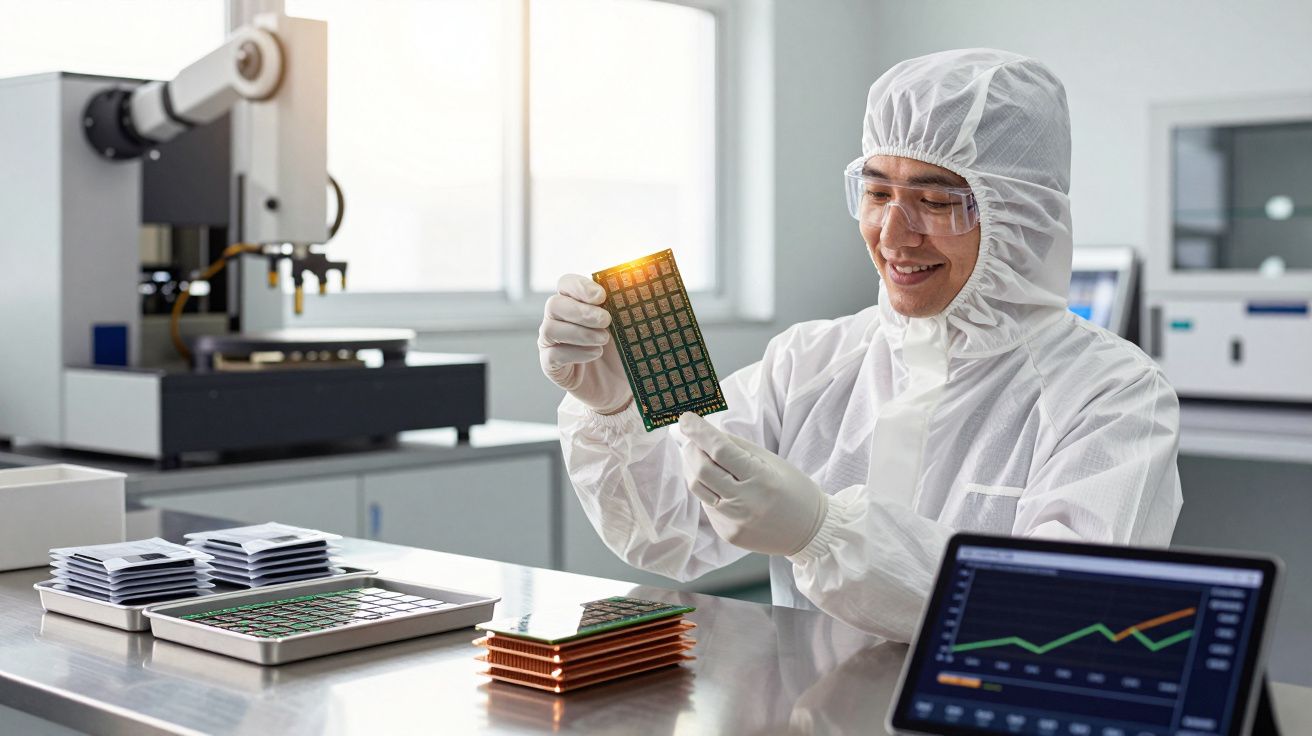
Samsung, one of the world’s biggest suppliers of memory chips used in data centres, has emerged as a major beneficiary of the global rush into artificial intelligence, with its share price soaring over the past year and its market value topping $1 trillion for the first time.
Google market data shows Samsung’s shares are up more than 68% since the start of the year and more than 297% over the last 12 months. According to a report cited by Sammobile, the milestone also makes Samsung the first South Korean company to exceed the $1 trillion market capitalisation threshold.
Memory chips - not smartphones - are driving the rally
While Samsung’s smartphone sales have remained broadly steady, investors have been piling into the company on the back of its memory semiconductor business, which is benefiting from booming AI-related infrastructure spending.
As technology giants build new data centres to meet worldwide demand for AI services, they require large volumes of specialised memory known as High Bandwidth Memory (HBM). Samsung is among the key suppliers of these components.
AI boom pushes DRAM, NAND and HBM prices sharply higher
With demand for AI-focused memory running hot, prices have risen steeply. Counterpoint Research data indicates that in the first quarter of 2026, prices for DRAM, NAND and HBM increased by 80% to 90% compared with the fourth quarter of 2025.
Samsung has also pointed to the impact on profitability. During its January presentation of results for the final quarter of 2025, the company reported a record operating profit, reflecting the stronger pricing environment.
A lift for Samsung’s chip arm, but trouble ahead for smartphones
The surge in memory sales is positive for Samsung’s semiconductor division, but analysts warn it could spell disruption for the wider consumer electronics market - including smartphones, where Samsung is one of the leading brands.
As more memory production capacity is absorbed by data-centre components, other sectors such as smartphones and PCs face tighter supply and rising costs, increasing the risk of a broader squeeze on device makers.
IDC warns smartphone memory shortages could last until 2027
In a recent outlook, research firm IDC said shortages of memory chips for smartphones could persist through to 2027. IDC also forecasts that smartphone shipments could fall by 12.9% in 2026.
Even so, IDC suggested the biggest manufacturers could strengthen their position, with market share potentially shifting towards global leaders such as Apple and Samsung.
“Smaller regional suppliers, already operating with lower margins, will find it increasingly difficult to remain competitive. We expect significant changes in market share in favour of the largest global manufacturers during 2026,” IDC said.



Comments
No comments yet. Be the first to comment!
Leave a Comment