
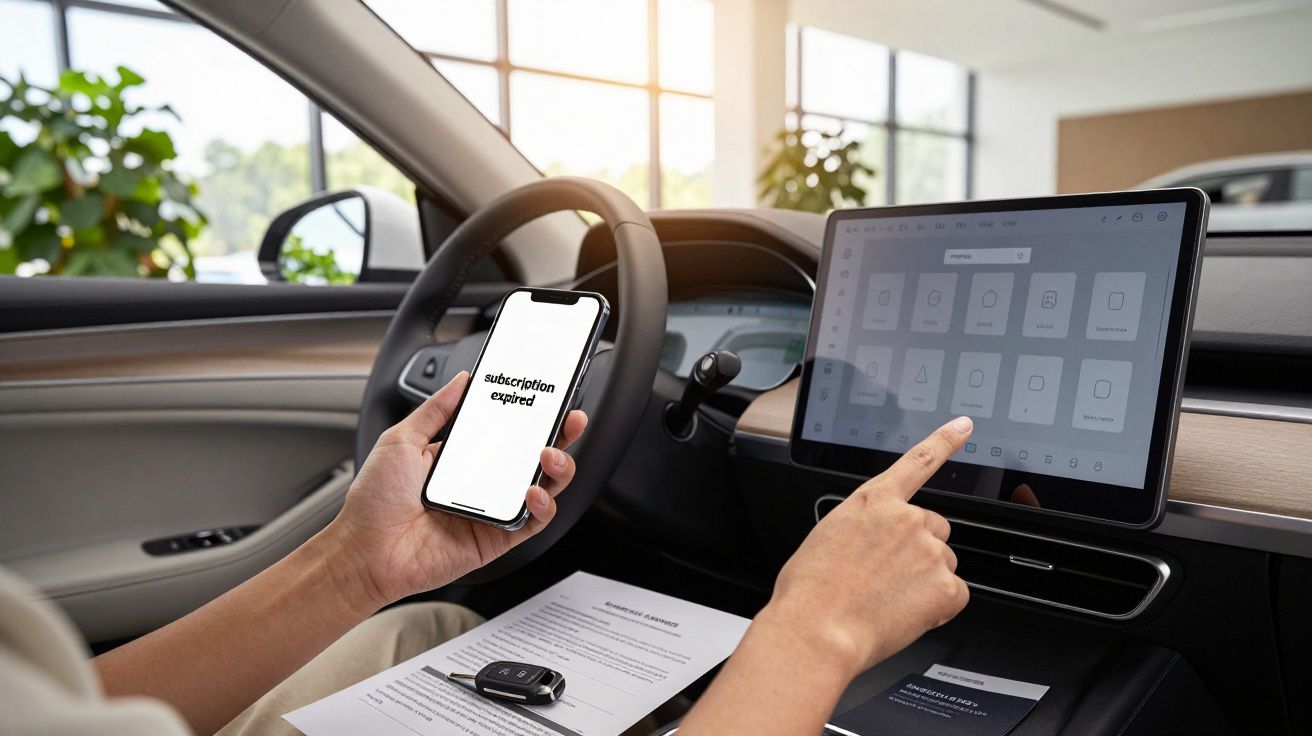
Digital features in new cars are increasingly becoming a source of unexpected, ongoing costs for drivers, according to an analysis by Germany’s ADAC motoring organisation and the technology magazine c’t. The study says the biggest issue is a lack of clarity over pricing and how long services remain included before they switch to paid subscriptions.
Remote control, navigation and infotainment increasingly put behind paywalls
Carmakers are charging for access to a range of connected services, including remote vehicle controls, built-in navigation and multimedia or infotainment upgrades. In several cases, these features are bundled in at no charge at first, only for drivers to face fees later on.
The length of these initial free periods varies widely by manufacturer. Skoda, for example, provides remote functions for three years, while Audi and Opel include them for ten years. Nio, by contrast, keeps such remote services free for the entire lifetime of the vehicle. However, the analysis notes that navigation and enhanced infotainment functions almost always end up moving onto paid plans.
Prices vary sharply between brands once free periods end
The cost of subscriptions differs substantially. BMW, after three months of free use, charges €9.98 per month. Mercedes charges up to €329 per year once its three-year free period expires.
Some manufacturers have yet to set out what drivers will pay in future. Renault has not defined prices for when its free period ends in 2027. Volvo, meanwhile, says it will notify customers only shortly before the end of its four-year complimentary term.
Second-hand buyers face extra uncertainty over remaining entitlement
ADAC says the fragmented subscription landscape makes it difficult for consumers to calculate the true cost of owning a car over its full lifespan. The problem is particularly acute for used-car buyers, where any included subscription period may already be partly used up-or have expired entirely-before purchase.
ADAC urges motorists to check digital service status before buying
The motoring club advises drivers to confirm the current status of digital services in advance, ensure terms are written into the purchase contract, and take a hard look at whether paid features are genuinely necessary.
ADAC also argues that essential safety-related functions should remain free for the entire life cycle of the vehicle.





Comments
No comments yet. Be the first to comment!
Leave a Comment