
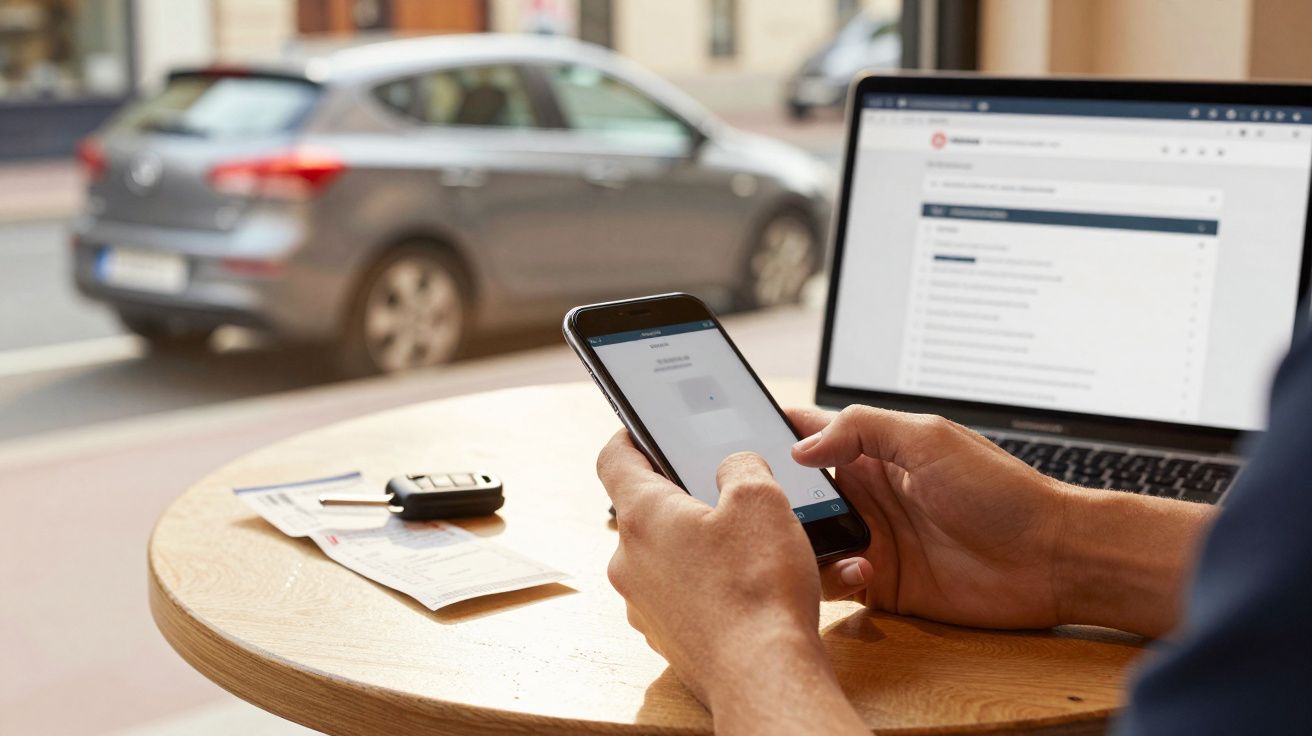
A new, more sophisticated text-message scam is circulating in France, with fraudsters now tailoring bogus toll-payment demands using detailed information about motorists - including their name, number plate and even the exact model of their car.
The con builds on the earlier “free-flow” toll fraud, in which victims receive an SMS requesting payment of a small amount. While the sum may look plausible to regular motorway users, the message is designed to lure people into clicking a link that leads to a fraudulent site.
Messages Now Include Personal Details Such as Number Plates and Car Models
French broadcaster France Bleu reports that the latest version of the scam is far more targeted than previous waves. According to the outlet, the texts no longer rely on generic claims: they can display personal information that makes the demand appear authentic.
With the recipient’s name, vehicle registration number and specific car model included, the risk of people being duped into following the link and handing over details is significantly higher.
Data Breach at Autosur Suspected as Source of Information
France Bleu says the scammers are exploiting a hack involving data from Autosur, a major operator within France’s vehicle roadworthiness testing (contrôle technique) network.
Because Autosur handles large volumes of motorists’ information, some of those details are believed to have leaked and been harvested by criminals, who can then send out large numbers of convincing SMS messages using automated tools.
Advice: Do Not Click Links - Verify via Official Websites
Motorists are being urged not to click on any link contained in this type of message. If there is any uncertainty about whether a toll payment is genuinely owed, the safest approach is to go directly to the official website of the company claiming the money and check there, rather than using any link provided in an SMS.
Ulys Warned Customers About Phishing Attempts Last Summer
This is not the first time toll-related brands have been used in phishing attempts. Last year, Ulys warned customers that its name was being used in a scam campaign, cautioning that fraudsters might send emails or texts designed to mimic Ulys or Vinci Autoroutes communications, including colours and logos.
“We inform you that the Ulys brand is currently being used as part of a phishing campaign. You may receive fraudulent emails or SMS messages imitating Ulys or Vinci Autoroutes emails/SMS (colours, logo, etc.). The hackers behind these campaigns are trying to collect personal information, including bank card details, from targeted customers. We urge you not to respond to these fraudulent emails/SMS and not to click on any links or attachments they may contain.”
More information about that earlier scam, which emerged during the busy summer holiday travel period, is available via France Bleu. Have you been targeted by this kind of fraud? Share your experience in the comments.





Comments
No comments yet. Be the first to comment!
Leave a Comment