
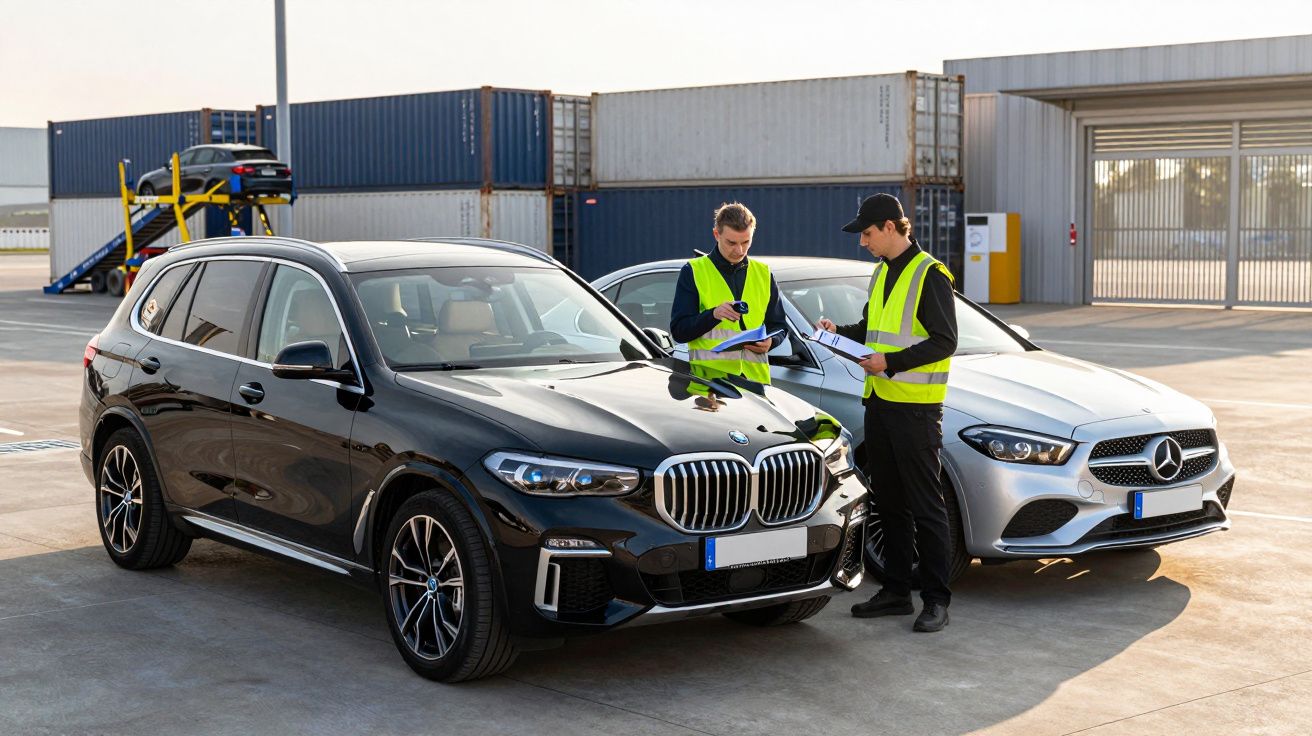
BMW and Mercedes-Benz have stepped up oversight of their vehicle supply chains in an effort to limit exports to Russia via third countries, including China, as both brands face scrutiny over how their cars continue to reach the Russian market.
The manufacturers have instructed partners and intermediaries to block re-exports into the Russian Federation. However, industry specialists say tracking the final destination of each vehicle is extremely difficult, and doubt that tougher company-level controls can fully stop the flow.
Russian imports of new BMWs and Mercedes rise despite restrictions
According to the figures cited, Russia imported almost 18,000 new BMWs last year - an increase of 34% compared with the previous year.
Sales of Mercedes-Benz vehicles in Russia also climbed, rising by nearly a third to 10,200 cars. For some models, volumes reportedly approached 2021 levels, the last period when official deliveries were still taking place.
Experts question whether the measures can fully work
Analysts argue that tracing the end-to-end route of every car is, in practice, highly challenging. In their view, shutting down exports completely would require strict co-ordinated controls between governments - a step they consider unlikely.
Some specialists also suggest the announcements from the European groups are partly aimed at protecting reputation, particularly in the eyes of European regulators.
Likely impact: fewer cars in stock, more pre-orders and higher prices
Even if the measures do not stop imports outright, experts warn that tighter checks could still change how premium cars are supplied into Russia. They expect the market to shift further towards pre-order-only purchases, with smaller showroom and warehouse stocks available.
More complex buy-out arrangements and greater reliance on intermediaries are also expected to push up final prices and extend waiting times for customers.
Premium demand remains, keeping indirect channels alive
Against a backdrop of weaker global sales, analysts say European brands have limited incentive to disappear entirely from the Russian market. As a result, they expect premium models to continue arriving, though increasingly through more complicated and more expensive routes.
The assessment is that Russia’s premium segment is becoming more closed and costlier, but demand for high-status models remains - meaning a complete exit by European marques is not anticipated.






Comments
No comments yet. Be the first to comment!
Leave a Comment